¶ Recent Updates2026
|
|
¶ Background |
|
|
Argentina is located in the south eastern part of South America and is the second largest country in the region. The country is subdivided into 23 provinces and has 1 autonomous city, Buenos Aires. Argentina is an associated member of the Andean Community, and has several commercial treaties with countries in the South American region as well as Israel, Egypt, Mexico, and India. Argentina is also a member of the Organization for Economic Co-operation and Development (OECD). Argentina is a member of the Common South American Market – MERCOSUR. MERCOSUR members signed a Treaty of Integration in Asuncion, Paraguay in 1991 to enhance economic and political cooperation. This agreement is intended to facilitate and increase the transport of goods including the transport of Dangerous Materials between the MERCOSUR countries. MERCOSUR Working Subgroup 5 is responsible for the development of "Transportation of Materials" technical standards. This commission studied the adaptation of GHS into the revisions of the new text for the Transport of Dangerous Materials between countries. In 2009, The European Union launched a 6 year project in support for a deepening of economic integration and sustainable development of MERCOSUR under the ECONORMAS initiative. One element of this initiative is aimed at the improvement of the quality and safety of chemical products in the region under a GHS Implementing proposal to be completed by 2015. Manufacturers, distributors, and importers must comply with MERCOSUR technical standards and those same standards that are harmonized and adopted by each member country. The participating countries are: Brazil, Argentina, Uruguay and Paraguay. The current Argentinean regulatory structure is:
Argentina chemical control is currently under the jurisdiction of the Ministries of Labor, Health, Environment and Transportation. Technical standards are published by the Argentinean Institute of Standardization and Certification, IRAM. For more information regarding Argentina regulations please visit the official gazette called the Official Bulletin at: https://www.boletinoficial.gob.ar/ Updates of Decrees, Laws, and Regulation can be found at InfoLeg.: http://www.infoleg.gob.ar/ or through the Argentina website: http://www.argentina.gob.ar/
|
|
¶ Inventories |
|
|
Currently, there is not a chemical inventory in Argentina. On July 11th, 2019, the Secretary of Environmental Control and Monitoring published Resolution 192/2019, creating the national list of existing, restricted and prohibited chemical substances, which will aim to keep an adequate record of all the chemical substances present in Argentina and the restrictions that affect them, facilitating the application of national regulations and compliance with the international environmental responsibilities assumed. On November 10, 2022, Resolution 504/2022 was published, replacing Resolution 192/2019. The Argentine government established the National List of Existing, Controlled, Restricted, and Prohibited Chemical Substances and Products. Its purpose is to compile essential information about regulated substances and chemicals used in the country, aiding in the enforcement of national laws and international environmental commitments. The list integrates data from the following sources of information:
Administered by the National Directorate of Hazardous Substances and Wastes, the list will be publicly accessible and regularly updated at least once a year. A database containing all the substances can be found in Argentina's government official website, under the Resources Panel. |
Sources
Resources *Not available in English |
¶ Substance Registration |
|
|
Currently, there is not a process for substance registration for Argentina. However, on June 13, 2019, an Interministerial Committee (formed by different sectors of society, such as industrial chambers, scientific institutions and civil society organizations) led by The Ministry of Environment and Sustainable Development of the Nation, presented a draft law on risk management of chemical substances. The objective is to create an inventory at the national level of all chemical substances produced or introduced into Argentina’s territory and strengthen their risk assessment and management mechanisms. The law, if approved will require companies to register in the inventory (known in Spanish as INSQ), chemical substances produced or imported in an amount equal to or greater than 1 (one) ton per year, as well as any mixture of substances produced or imported that present any hazard (according to Globally Harmonized System), with the same amount. They will also be required to provide the following information:
All information provided must be updated annually when there is data modification regarding: recommended uses, range of quantity produced or imported or hazard classification. There will be a three year period for companies to register in the inventory and it should be done before the beginning of any activity regarding these substances. For those who fail to register the substances in the inventory or provide false or incomplete information, there will also be administrative sanctions. A Committee for the Evaluation of Chemical Substances (CESQUI) will be created within the scope of the Government Secretariat for Environment and Sustainable Development aiming to evaluate the chemical risk of certain substances and recommend measures that will strengthen the management of risks to health and the environment. The information provided to INSQ, as well as the conclusions of the risk assessment studies on imported and produced substances will be publicly accessible, according to article 21. Animal testing should be the last resort recommended to determine the hazard of a substance, and it can only be used after all possibilities of alternative methods have been exhausted. The Interministerial Committee, which was created in March 2018, is coordinated by the Directorate of Substances and Chemicals of the Ministry of Environment and brings together representatives of 18 public bodies including the ministries of Transportation, Safety, Health and Social Development, Foreign Affairs, Agriculture, Livestock and Fishing, Science, Technology and Innovation, Production and Work, among others. Exemptions to the Draft Law (Article 5 for full definitions)
|
Sources
*Not available in English |
¶ Product Registration |
|
¶ PesticidesPesticides for agricultural purposes are regulated by the National Service of Agri-Food Health and Quality (known in Argentina as SENASA), under the Ministry of Agriculture, Livestock and Fishing. For household use products, the National Administration of Drugs, Foods and Medical Devices (known in Argentina as ANMAT) under the Ministry of Health is the responsible body. ¶ Agricultural Use ProductsPesticides (known in Argentina as Phytosanitary Products) manufactured, imported, marketed and used for pest control in the agricultural field are subject to registration in the National Registry of Plant Therapeutics, according to Decree 3489 of March 24, 1958 and Decree 5769 of May 12, 1959. The National Service of Agri-Food Health and Quality through SENASA Resolution 458 of June 25, 2025, approved the Manual of Procedures, Criteria and Scopes for the Registration of Phytosanitary Products and through Resolution 214 of April 1, 2025 the Regulation for the Registration of Fertilizers, Substrates, Conditioners, Protectors and Raw Materials in Argentina. These regulations define the requirements for registration of pesticides and provide different types of registration and classification of products. The person or company registering must have the CUIT, which is the tax identification number in Argentina and must be registered in SENASA. This registration can be done through the link under Resources "Agricultural Use Products Company Registration". On October 31, 2025, Resolution 843/2025 amended Resolution 458/2025. The registration process is done through the official import platform (Trámites a Distancia - TAD), which can be accessed through the "Agricultural Use Product Registration Page" linked in the Resources panel. A registration form can be found through the link as well, which must be filled out in Spanish. A draft of the label is required as well as the safety data sheet of the product. A process fee must be paid (fees can be found under the same link "Agricultural Use Product Registration Page") and the receipt submitted together with the form for the product registration. Once the process is completed, a Certificate of Use and Marketing is granted, which enables the registrant to market and use the product. The registration is valid for 2 years and must be renewed through the same platform. The process time varies depending on the type of registration. SENASA will evaluate the information presented and issue a determination that should not exceed 180 business days, according to Resolution 843/2025. ¶ LabelThe label requirements for pesticides for agricultural use are defined under Resolution 363 of April 22, 2026, which adopted the guidelines of the Globally Harmonized System of Classification and Labeling of Chemicals (GHS) criteria, according to Revision 9. The regulation provides a template for the full GHS label, as well as a template for the reduced label for smaller containers, found in Annexes I and II. The labels must follow a structure, intended to improve clarity, divided into three clearly differentiated sections:
Under Annexes III through V, there are tables regarding acute mammalian toxicity, skin and eye sensitization and irritation labeling elements, and environmental hazards. For samples of plant protection products, the following phrase must be displayed on the primary label: “SAMPLE OF NO COMMERCIAL VALUE; SALE PROHIBITED.” There are also requirements for design and formatting, including, for example, headings must appear in bold and a minimum print size of eight (8) typographic points, with a line spacing of one (1) point. Regarding the colors used, the label background must be white with black lettering and a red color (Pantone 199 C) is reserved exclusively for medical information. Certain graphic design elements, including logo and trademarks, may appear in the identification section, displayed in any color, provided they occupy no more than twenty percent (20%) of the available label area. All text must be written in Spanish, except for product trademarks, which may appear in their original language, and scientific names, which must be written in italics.
|
Sources
Resources
*Not available in English |
¶ Household Use ProductsFor registration and label requirements for household use products, ANMAT under the Ministry of Health is the body responsible for overseeing and setting regulations. Through Disposition ANMAT 7292 of December 4, 1998, last amended by Disposition 8435 of October 17, 2019 the documents needed for registration process, forms and requirements for formulation, label, market and use of these products are defined. This regulation also classifies pesticides for household use as Risk II products. Resolution 709/1998 establishes that products with antimicrobial and disinfectant activity (insecticides, acaricides, algaecides, etc.) as well as bacteria-based biologicals are classified as Risk II and the registration can only be requested by companies authorized by the National Health Authority. The registration process is required for the company and for the product, which can be done through the TAD platform, similar to the process for Agricultural Use Products. Some of the documents required are:
The process fee for these products must be paid and attached in the product registration. Information can be found in the "Fee for Registration Procedures" link under Resources (the code for Risk II products is 6110) The fee varies depending if the active ingredient is registered already or not. Once the process is completed, a Certificate of Use and Marketing is granted, which enables the registrant to market and use the product. The registration is valid for 2 years and must be renewed through the same platform. ¶ LabelThe label requirements for household use pesticides are defined under Disposition 8224 of July 27, 2016 as well as terms that are prohibited on the label such as "natural" or "naturally", "biodegradable" or "reliable", "safe" or "non-toxic to humans and pets". The minimum information on the label of the product must be in Spanish, letters in black color on a white background and should include the required information as noted below. Information to be included on the main panel (front part visible to the consumer)
For labels of products with restricted sales to specialized Institutions or Companies the phrase RESTRICTED SALE TO SPECIALIZED INSTITUTIONS OR COMPANIES, must be included, located immediately below the technical name, occupying an area equal to that occupied by the trade name and with a minimum of 1/10 the height of the main panel. The phrase "FREE SALE FORBIDDEN" must be added. The technical name of the active ingredients must also be included - below the trade name with at least 1/3 the size of the latter. Information that can be displayed in the secondary panel (or main panel if desired)
Disposition 8224/2016 also specifies the maximum content allowed for individual packages of over-the-counter consumer sanitary disinfestation products, which is mentioned in Appendix 2 of the regulation. |
Sources
Resources
*Not available in English |
¶ Laws that Prohibit Chemicals in PesticidesThe Agri-food Quality and Sanitation National Service (SENASA) published on January 21, 2019, Resolution SENASA 32/2019, which contains prohibited and restricted active ingredients for use as pesticides, as listed in Annex I and Annex II, respectively. Annex III provides a list of unauthorized formulation aids and unauthorized rodenticide formulations. The National Plant Protection Directorate (DNPV) is responsible for updating the Annexes that are part of this resolution, when necessary as well as evaluating authorization to register specific rodenticide formulations, when it comes to fighting rodents in exclusive areas of stored grains. The President of Argentina prohibits the import, manufacture, fractionation, commercialization and use of agricultural application products formulated based explicitly on the following active ingredients: 2-4-5 T, Butyl ester, Ethylene dibromide, DDT (dichlorodiphenyltrichloroethane), Lead arsenate, Arsenic, Captafol, Endrin, Aldrin, Strychnine sulfate, Chlorobenzilate, Heptachlor, Daminozide, Cyhexatin and Dinocap. The National Registration of Vegetable Therapeutics under the National Service of Microbiology and Agricultural Chemistry Laboratories is responsible for canceling the registration of all products for agricultural use formulated with any active principles mentioned above. The Ministry of Health published Resolution 456/2009, prohibiting the production, importation, commercialization and use of certain chemical compounds for pesticides being used in household use products. These rules were created to protect human health in Argentina and follow similar laws found in other countries. On October 16, 2013, it was updated by Resolution 1631/2013 complementing current Resolution 456/2009 with three additional substances: Bendiocarb, Propoxur and Fenitrothion.
|
Sources
*Not available in English |
¶ Control of Precursors and Essential Chemicals for the Preparation of Narcotic DrugsThe government of Argentina published Decree 593/2019 on August 27, 2019, approving Law 26.045 "National Registry of Chemical Precursors" and the list of Chemical Precursors through Annex I and II, as well as other requirements and obligations for producers and importers of such chemicals. This Decree repealed Decree 1095/1996 "Control of Precursors and Essential Chemicals for the Preparation of Narcotic Drugs". Decree 128/2026 on March 3, and modified Annex II of Decree 593/2019. In the Sources box the updated version of this Annex can be found. Decree 593/2019 approves Law 26.045 as Annex I, which establishes requirements for human and legal persons who have to register their Chemical Precursors, substances from Annex II (modified by Decree 128/2026) and products - as defined by Annex III. The Law also states obligations for producers, importers and exporters regarding registration, renewal, packaging and other aspects to be considered. On November 22, Resolution 1122/2019 approved a General regime of obligations and requirements for the use of chemical precursors, as Annex I. Later, on May 8, 2026, this Annex I was updated by Resolution 424/2026. Annex II contains three lists of controlled substances - List I, List II, and List III. If any chemicals listed in Annex II are used in the manufacture, development, repackaging, distribution, market wholesale, retail, storage, import, export, transport, transfer and/or any other type of transaction, a notification and special registration may be needed. For Lists I, II and III of Decree 593/2019, the proper MERCOSUR name and Common Market Number (NCM) classification must be on all of the forms and labels. ¶ Registration of Controlled Precursors in ArgentinaProducers, manufacturers, formulators, and processors that repackage, distribute, store, export, transport, or transship, or any other type of transaction for wholesale or retail with substances listed on Lists I or II of Annex II of Decree 606/2023, must register the substance in Argentina with the Ministry of Security, which is the application authority. This registration includes any type of commercial activity within or internationally through Argentina's borders. Registration and submissions of procedures to the National Inventory will be accepted through the official Distance Procedures platform (Trámites a Distancia - TAD). Required Documents for Registration
Substances present on List III lack the need to register in the National Inventory, but a declaration is mandatory for those who carry out activities with substances of List I or List II. An activity report is not required, however, humans or legal persons must maintain a reliable and detailed inventory of substances, which can be requested by the Ministry of Security at any time. If the Ministry of Security confirms your registration, they will give the company a Certification of Registration. The period of validity after the issue date will be determined by the Ministry of Security. To renew a Certificate of Registration, the company that created the registration must renew within 60 days of the expiration date, but less than 30 days from the expiration date, according to article 5 of Annex I. Containers containing Chemical Precursors must be identified as follows:
¶ Importing Controlled Precursors in ArgentinaTo import a substance from List I or II of Annex II of Decree 606/2023, it is required to have previously declared before the National Registry of Chemical Precursors the status of importer or exporter of those substances. Import or export authorizations granted by the Ministry of Security may be used only once, for one single destination and will comprise only one Chemical Precursor. The authorization expires 120 calendar days of issuance. Whenever the documentation is in a foreign language, it must be translated into the official language of the Argentine Republic by a public translator, whose registration is legalized by the Association of Public Translators of the corresponding jurisdiction. It must also be legalized by the headquarters of the Argentine Consulate. It is prohibited to make imports or exports of chemical precursors under the Border Traffic regime, as well as the postal delivery and Courier regimes for entering or leaving the national territory. Required information, as described in Article 54 of Law 26.045 (Annex I)
¶ Recording RequirementsFor substances in Lists I, II and III of Annex II, companies must keep a complete and up-to-date inventory of all substances in their possession. The quantities in stock, manufactured, imported, exported, lost, repackaged or distributed must be reported to the "registry" no later than 10 business days after the end of the quarter, if a date has not been established. ¶ Summary of ResponsibilitiesList I
List II
List III
|
Sources
Resources *Not available in English |
¶ CosmeticsCosmetic products are regulated by the National Administration of Drugs, Foods and Medical Devices (ANMAT), under the Ministry of Health, which published Resolution 155 of March 13, 1998 setting requirements for those who manufacture, import, package or store cosmetic products in Argentina. Resolution 155 of March 13, 1998 was last amended in March 14, 2019 by Disposition 2196, approving the "Reference Guide for the Safety Evaluation of Cosmetic Products, for Personal Hygiene and Perfumes." Disposition 1112 of March 15, 1999, which establishes prohibitions, limitations and substances that are allowed in cosmetic products has been amended by the following regulations:
¶ DefinitionCosmetic products are defined as "preparations consisting of natural or synthetic substances or their mixtures, intended to be applied externally in the different parts of the human body, skin, capillary system, nails, lips, external genitals, teeth and mucous membranes of the oral cavity, with the exclusive or main purpose of cleaning them, perfuming them, changing their appearance, protecting them, keeping them in good condition or correcting body odors."
¶ Grade I and Grade IICosmetic products are classified as grade I and grade II, according to definitions provided by Disposition 8067 of September 4, 2024. Grade I cosmetic products are characterized by having basic or elementary properties and due to the intrinsic characteristics of the product, their proof is not initially necessary and do not require detailed information as to their use and restrictions of use. Grade I Products 01. Cuticle softener (non-caustic) 02. Conditioner, rinse-off cream, or hair rinse 03. Leave-in conditioner 04. Eau de Cologne, scented water, cologne, perfume, and aromatic extract 05. Breath freshener 06. Facial and/or body foundation (without sun protection claims) 07. Nail whitener 08. Blush or rouge (without sun protection claims) 09. Conditioning shampoo 10. Shampoo 11. Deodorant cologne 12. Facial concealer (without sun protection claims) 13. Lip, eye, and eyebrow liner 14. Toothpaste 15. Mechanical depilatory or epilator 16. Makeup remover 17. Underarm deodorant 18. Body deodorant 19. Foot deodorant 20. Aromatic mouthwash 21. Nail polish, varnish, or gloss 22. Nail strengthener 23. Abrasive and/or mechanical exfoliating soap (excluding those with antibacterial action or chemical exfoliants) 24. Deodorant soap (excluding those with antibacterial action or for intimate use) 25. Facial and/or body soap (excluding those with antibacterial action, chemical exfoliants, or for intimate use) 26. Lip, eye, and eyebrow pencil 27. Lipstick and lip gloss (without sun protection claims) 28. Facial toner 29. Facial and/or body makeup (without sun protection claims) 30. Self-tanning makeup 31. Mascara 32. Eyebrow shaper and/or setter. 33. Neutralizer for perms and hair straightening 34. Face powder, excluding those with skin photoprotective or whitening properties 33. Neutralizer for perm and straightening 35. Cosmetic preparations (such as creams, lotions, masks, oils, gels, and solutions impregnated in dermal patches) for moisturizing, hydrating, and/or refreshing the face, hands, and feet, excluding those with skin photoprotective, whitening, or chemical peeling properties 36. Cosmetic preparations (such as creams, lotions, masks, oils, gels, and solutions impregnated in dermal patches) with anti-wrinkle properties, excluding those with skin photoprotective, whitening, or chemical exfoliating (“peeling”) properties. 37. Cosmetic preparations (such as creams, lotions, masks, oils, gels) for mechanical exfoliation ("peeling"), for use on the body and/or face 38. Cosmetic preparations (such as creams, lotions, masks, oils, gels) for moisturizing, hydrating, and/or refreshing the legs or the body in general, excluding those with skin photoprotective, whitening, chemical exfoliating ("peeling"), or anti-stretch mark properties 39. Cosmetic preparations (such as creams, lotions, masks, oils, gels) for nail hydration 40. Cosmetic preparations (such as creams, lotions, masks, oils, gels) for anti-cellulite treatment of the legs or the body in general, excluding those with skin photoprotective, whitening, chemical exfoliating ("peeling"), or anti-stretch mark properties 41. Rinse-off cosmetic preparations for hair loss prevention (such as shampoos, conditioners, masks) 42. Leave-in cosmetic preparations for hair loss prevention (such as tonics, creams, lotions, masks, oils, gels) 43. Rinse-off cosmetic preparations (such as oils, creams, masks) for repairing, moisturizing, hydrating, and/or restoring the hair 44. Rinse-off cosmetic preparations for hair strengthening (such as shampoos, conditioners, masks) 45. Leave-in cosmetic preparations for hair strengthening (such such as tonics, creams, lotions, masks, oils, gels) 46. Leave-in cosmetic preparations (such as hairsprays, oils, pomades, brilliantines, mousses, creams, gels, and masks) for setting, styling, facilitating, or finishing a hairstyle, or for repairing, to humidify, hydrate, restore, protect hair from heat, and/or style it 47. Personal hygiene preparations (such as creams, lotions, masks, oils, and gels) for skin cleansing and/or hygiene, excluding those with antibacterial action or for intimate use, provided that their instructions for use specify their removal after application, or specify the use of the product with the aid of an implement that allows for the mechanical removal of impurities 48. Shaving products 49. Pre-shave products 50. Bath and/or soaking products (such as bath salts, oils, gelatin capsules, and bubble bath) 51. Aftershave products 52. Eye area products 53. Products to prevent nail biting 54. Products for setting and/or styling facial hair, excluding eyebrows and eyelashes 55. Lip balm without sun-protection properties 56. Nail polish remover 57. Nail polish dryer 58. Eyeshadow 59. Talc and/or powder, excluding those with antibacterial action 60. Strips for the mechanical removal of skin impurities 61. Wet wipes for body cleansing or hygiene, excluding those with antibacterial properties and those for intimate use
Cosmetic products grade II have specific indications and their characteristics require proof of safety or effectiveness, as well as information, warnings and restrictions of use. Grade II Products Besides the exceptions mentioned in Grade 1 list, a few other products are: 1. Caustic cuticle softener 2. Skin lightener 3. Tanning activator or accelerator 4. Hydrogen peroxide intended for use on hair or body hair as a bleaching agent, developer, or oxidant, excluding those intended for medicinal use 5. Axillary antiperspirant 6. Foot antiperspirant 7. Self-tanner or simulated tanning product 8. Bleaching or decolorizing product for hair and/or body hair 9. Tanning product 10. Anti-cavity toothpaste 11. Anti-plaque toothpaste 12. Anti-tartar toothpaste 13. Whitening toothpaste 14. Toothpaste and mouthwash for people with sensitive teeth, provided they are not marketed as therapeutic agents 15. Chemical depilatory 16. Axillary antiperspirant deodorant 17. Foot antiperspirant deodorant 18. Antibacterial mouthwash 19. Anti-plaque mouthwash 20. Chemical exfoliant ("peeling") product 21. Antibacterial soap 22. Cosmetic preparations (e.g., creams, lotions, masks, oils, gels) for skin with stretch marks 23. Cosmetic preparations for skin and lips with photoprotective action as an additional—but not primary—benefit (multifunctional products) 24. Rinse-off anti-dandruff hair products 25. Leave-on anti-dandruff hair products 26. Products intended for pregnant women 27. Products intended for sensitive skin, provided they are not marketed as therapeutic agents 28. Products intended for children 29. Hair straightening products 30. Hair straightening and coloring products 31. Products for intimate hygiene, provided they do not claim antimicrobial action 31.1. Deodorant 31.2. Soap 31.3. Moistened wipes 32. Products for body cleansing or hygiene for immobilized persons 33. Products for hair waving 34. Products for acne-prone skin 35. Products for artificial nail systems 36. Sunscreen 37. Insect repellent 38. Antibacterial deodorant talc or powder 39. Temporary, progressive, or permanent hair dye 40. Dye for body hair 41. Antibacterial moistened hand wipes
|
Sources
*Not available in English 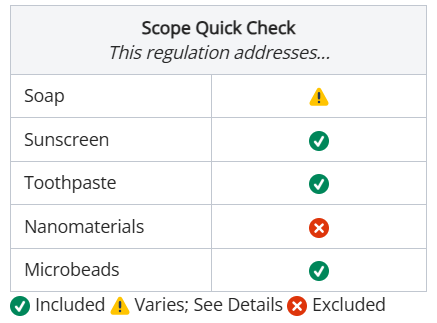 |
¶ Registration ProcessBefore registering the product, the person or company that desires to manufacture or import the products must have a Company Operating Authorization, by submitting form 1109, attaching a fee payment receipt and other documents and sending them to the Ministry of Health. An inspection is performed by auditors of the Directorate of Product Surveillance for Health (known in Argentina as DVPS) as part of the approval process. The process time can be from 60 days for places under 150 km from the capital Buenos Aires to 120 days for places located beyond that distance. The form to be filled out, documents to be sent and contact of agency can be found under the link "Forms, Guides and FAQ on Registration of Cosmetics" under the Resources panel. For product registration, forms are required to be filled out and can be found under Resources. A fee must also be paid, according to the appropriate code, as further outlined and the receipt of payment must be sent with other documents requested. For grade I cosmetics, registration can be done electronically through platform "ANMAT Applications for Grade I Products" which can be found under Resources. The person responsible for registering the product must have a user name and a key to the system, which can be obtained through ANMAT's website and the company operating authorization. For grade II cosmetic products, Form R-155 should be filled out, signed by the legal representative and authenticated, together with documentation requested attached (original and copy). This process can be done in person at ANMAT or through the official Distance Procedures platform (Trámites a Distancia - TAD). The form R-155 and instructions on how to fill it out can be found under Resources.
Documents for Grade II Cosmetics The following information is required in the admission of Grade II cosmetics:
Codes Information regarding forms and fees for the process can be found on the website through the different codes below: 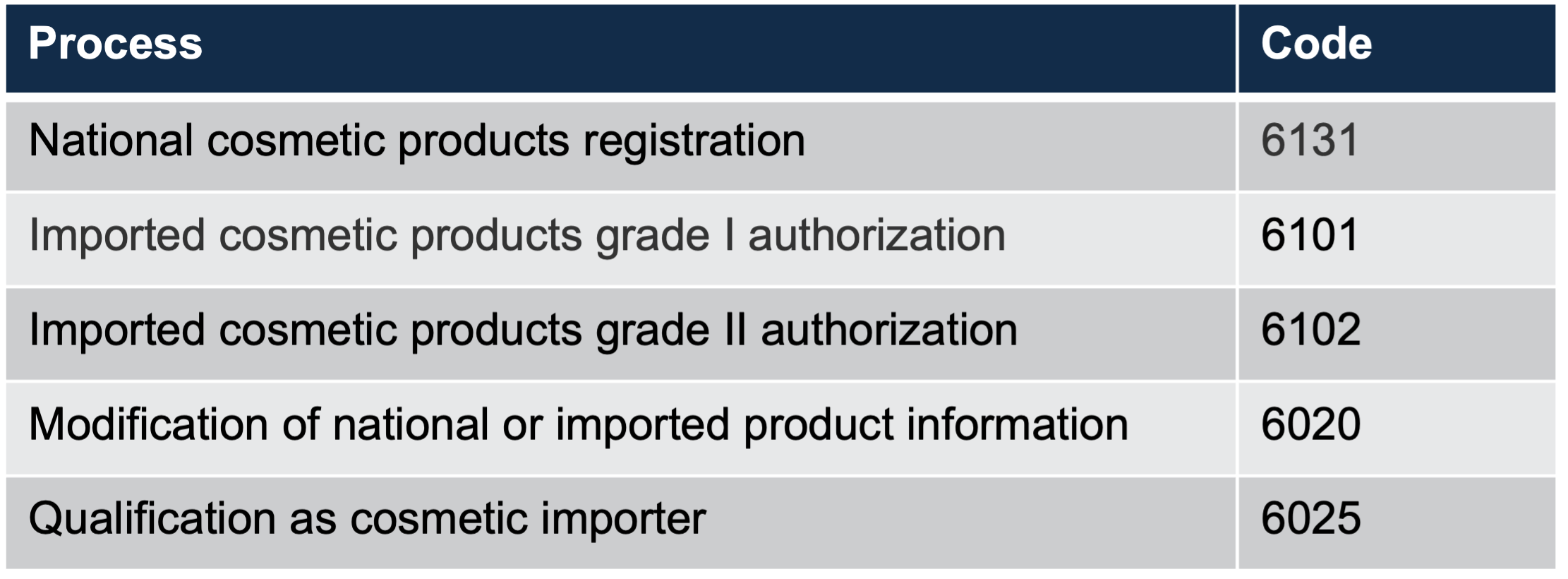 |
Resources
*Not available in English |
¶ MicrobeadsLaw 27602 prohibiting the production, import and marketing of cosmetic products and oral hygiene products for dental use that contain intentionally added plastic microbeads was ratified on November 30, 2020 by the Senate and Chamber of Deputies of Argentina. The Law defines cosmetics as "preparations consisting of natural or synthetic substances or their mixtures, for external use in the various parts of the human body (skin, capillary system, nails, lips, teeth), and mucous membranes of the oral cavity." It includes products such as soaps, creams, makeup, toothpastes, mouthwashes, enamels, to which plastic microbeads are intentionally added for exfoliating and abrasive purposes. The enforcement authority of this law is the National Administration of Drugs, Food and Medical Technology (ANMAT) or the body that will replace it in the future. The Law was promulgated on December 18, 2020 and was published in the Official Gazette on December 29, 2020. Companies will have two years from the publication date of the law to adapt to this new rule and exhaust available stock. Additionally, Disposition 9365 of November 24 of 2022 banned new products of cosmetics and oral hygiene products for dental use that contain intentionally added plastic microbeads. |
Sources
*Not available in English |
¶ Cosmetic System ProgramANMAT published Disposition 339 of February 10, 2006 incorporating into national legal order Mercosur GMC Resolution No. 19/05 "'Cosmetovigilancia' program in the area of personal hygiene products, cosmetics and perfumes" aiming to facilitate for users to report problems, quality defects or undesirable effects and ensure consumer access to information. As of December 31, 2005 manufacturers or importing companies must implement the cosmetic system program, by keeping a record of any reports received and evaluating them. If situations that imply a risk to the user's health are identified from the results of the evaluation of the reports, the companies must notify the Health Authority involved. Information regarding how to notify the agency, as well as forms and contact information can be found under Resources. |
Sources
*Not available in English |
¶ Import ProcessFor imported products, an authorization request form must be filled, which can be found under Resources and the following documents presented:
Requirements for Repellents Specific requirement and documents for Repellents are defined under Resolution 327 of March 1, 2012. Formulations that contain substances with a mutagenic or teratogenic effect, or that are caustic, irritant or sensitizing, among other characteristics, are not authorized. According to Article 7, the phrases “Use the repellents safely" and "Read the label and product information before using it" should always be included on the label. In Spanish: “Utilice los repelentes de forma segura” and “Lea la etiqueta y la información sobre el producto antes de usarlo." |
Sources
Resources *Not available in English |
¶ LabellingThe labeling of cosmetic products packaging should be in the Spanish language. Disposition 7809 of September 27, 2022 states the mandatory labeling that should appear in the primary and/or secondary packaging. Therefore, the terms of each packaging are defined below: Primary Packaging: wrap or container in direct contact with the products. Secondary Packaging: packaging intended to contain the primary packaging. When there is no secondary packaging, all the required information must appear on the Primary Packaging. The Instructions for Use may appear in an attached leaflet. In this case, it must be indicated on the primary packaging: - "See attached leaflet." The same applies for warnings and restrictions on use: when the packaging is small and does not allow the inclusion, these may appear in an attached leaflet. Imported products can have an overwritten label in Spanish, complying with the requirements defined below. 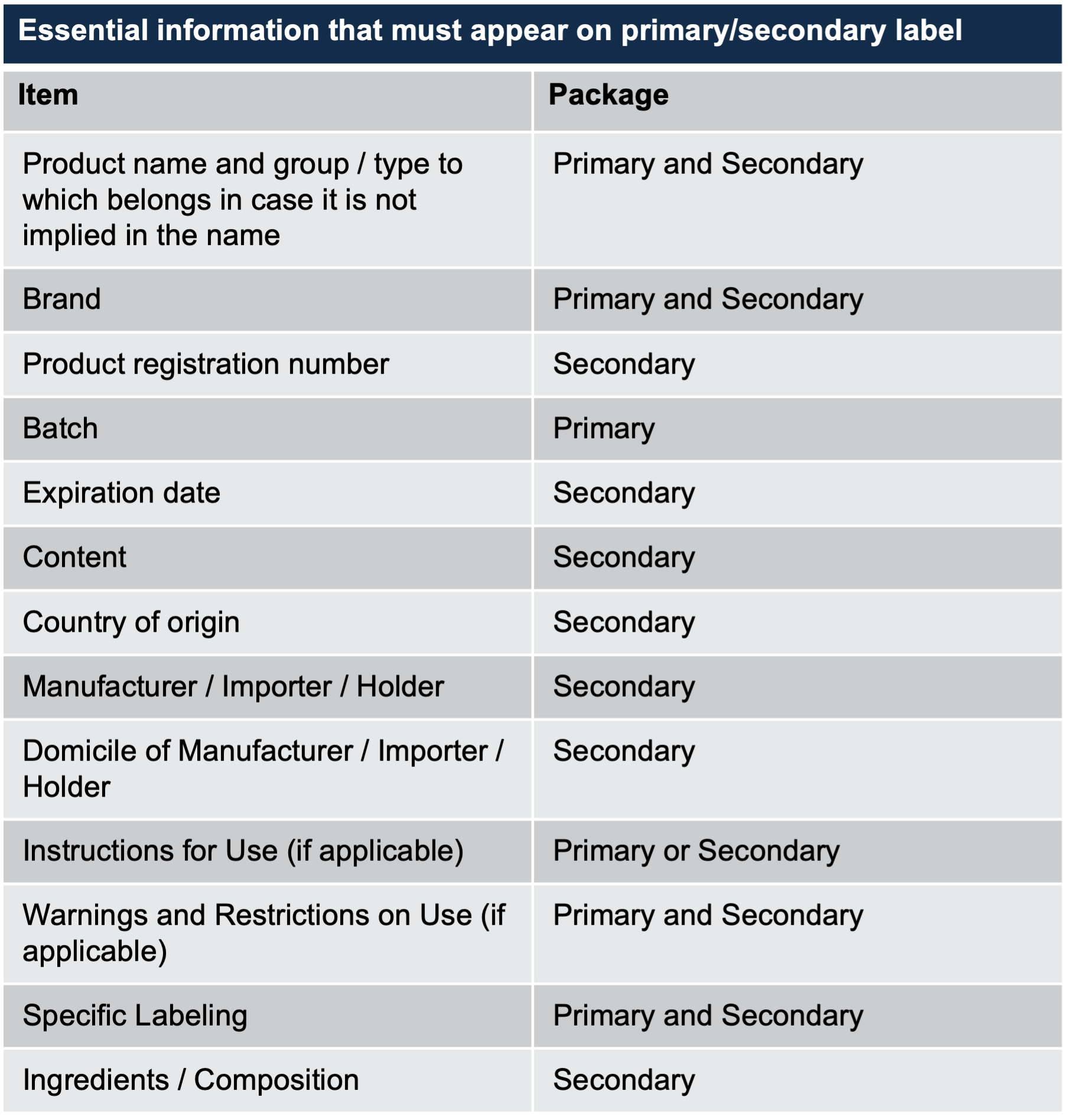 There are specific statements that must be added in the packaging of cosmetic products according to the category: A - Aerosols
B - Neutralizers and products for curling and smoothing the hair
C – Dyes and hair bleaching agents
D – Body Hair Bleaching Agents
E - Hair/Body Hair Dye
F - Depilatories and epilators
G – Fluorous oral dentifrices and rinse
H – Antiperspirant / Antitranspirant products
I – Capillary tonics
J – Products intended to simulate skin tanning
K – Products intended to simulate skin tanning
L – Oral care products suitable for sensitive teeth
M – Intimate hygiene products
N – Hypoallergenic products
¶ Sunscreen LabellingAccording to Disposition 957 of February 15, 2012 companies should include on the sunscreen label:
For products intended to come into contact with the skin and lips, whose benefit of protection against UV radiation is not the main purpose, but is an additional benefit of the product must contain the following warning: "This product is not a sunscreen." In Spanish: “Este producto no es un protector solar." |
Sources
*Not available in English |
¶ SanitizersSanitizers are regulated under the National Administration of Drugs, Foods and Medical Devices (known in Argentina as ANMAT) under the Ministry of Health, which sets registration and label requirements through Disposition ANMAT 7292 of December 4, 1998, updated by Disposition ANMAT 1112 of February 21, 2013. ¶ Definition and ClassificationDisposition ANMAT 7292 of December 4, 1998, updated by Disposition ANMAT 1112 of February 21, 2013 sets registration and label requirements for sanitizers. It defines sanitizers as "substances or preparations intended for cleaning, washing, odorizing, deodorizing, disinfection or disinfestation, for use in the home, and/or public and/or private collective environments." Sanitizers are classified as Risk I or Risk II, depending on their formulation and purpose of use. Disposition 5702 of May 30, 2017 classifies cleaning products in general as Risk I. Risk I includes:
Risk II includes products such as:
¶ LabelThe label requirements for sanitizers are defined under Disposition ANMAT 2013 of April 29, 2010 and Disposition 1112/2013. Information to be included on the main panel (front part visible to the consumer):
¶ Registration RequirementsProducts with disinfectant action
Fumigating products
Mandatory information as well as batch registration, date of manufacture and expiration date must not be written on removable parts for use, such as caps, safety locks and others, which are unusable once the package is opened.
¶ Additional Specific Requirements According to Type of Product and Purpose of Use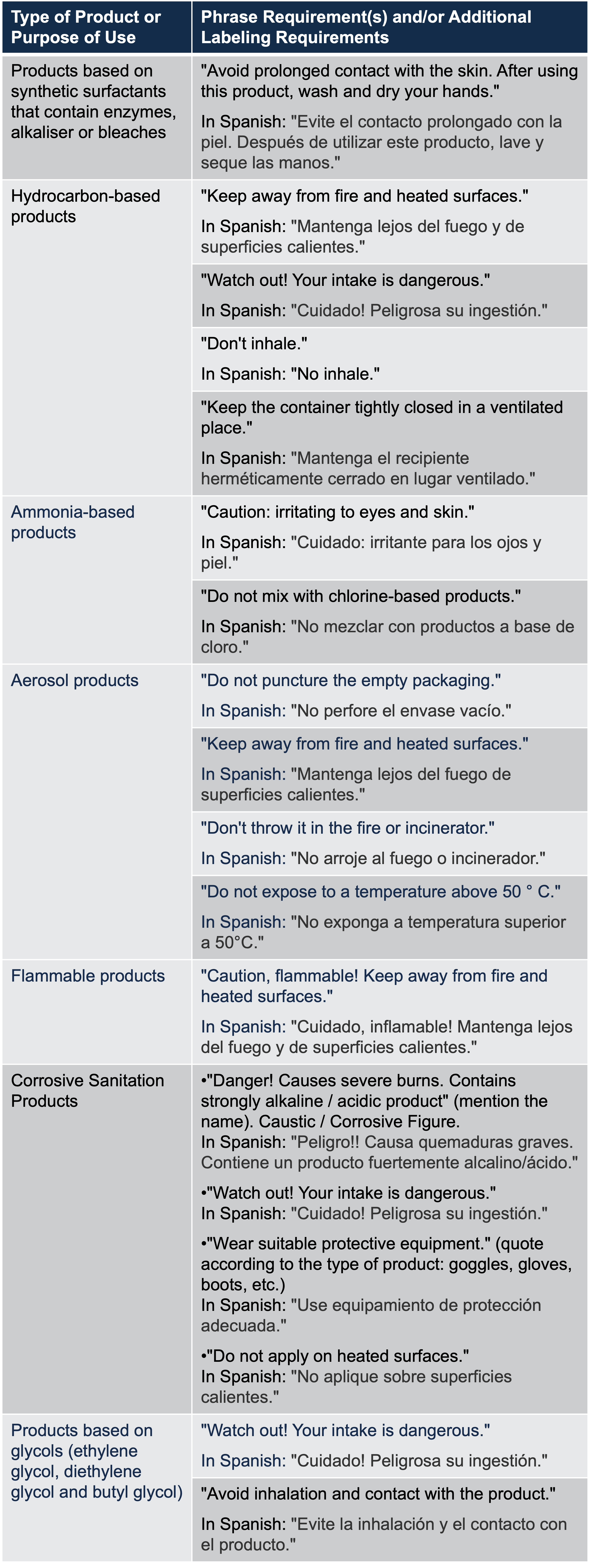
|
Sources
*Not available in English |
¶ Notifications |
|
¶ Prior Informed ConsentArgentina ratified the Rotterdam Convention concerning the Prior Informed Consent (PIC) Procedure for Certain Hazardous Chemicals and Pesticides through Law 25.278 of July 6, 2000 and came into force on September 9, 2004. The PIC procedure applies to pesticides, industrial chemicals, and severely hazardous pesticide formulations, listed in Annex III to the Rotterdam Convention, that have been banned or severely restricted for health and environmental reasons. ¶ Addition of Chemicals into Annex IIITwo reports, each arising from a different geographic region of the world, as defined by the Rotterdam Convention, must be received by the Rotterdam Secretariat. These reports are accepted by the Rotterdam Secretariat and then go to the Chemical Review Committee, where they evaluate the reports to see if they should be voted for inclusion at the Meeting of the Parties of the Rotterdam Convention. Annex III contains 52 chemicals, but is expected to include many more in the future. The Conference of Members decides on the inclusion of more chemicals during their Meeting of the Parties for the Rotterdam Convention. Once a chemical is included in Annex III, a “decision guidance document” (DGD) containing information concerning the chemical and the regulatory decisions to ban or severely restrict the chemical for health or environmental reasons, is circulated to all Member countries. Annex III chemicals and their decision guidance documents can be found with the link provided to the Rotterdam Convention. ¶ Import and Export ResponsesCountries have a nine-month period to prepare a response regarding future import of the chemical in question. The response can consist of either a final decision (to allow import of the chemical, not to allow import, or to allow import subject to specified conditions) or an interim response. Decisions by importing countries should dispense with any consideration of trade (that is applied equally to domestic production and imports). The import decisions are circulated through bi-annual reports prepared by the Rotterdam Secretariat. These reports are available in June and December and exporting country members are obligated under the Convention to take appropriate measures to ensure that exporters within its jurisdiction follow the decisions that their countries have made. 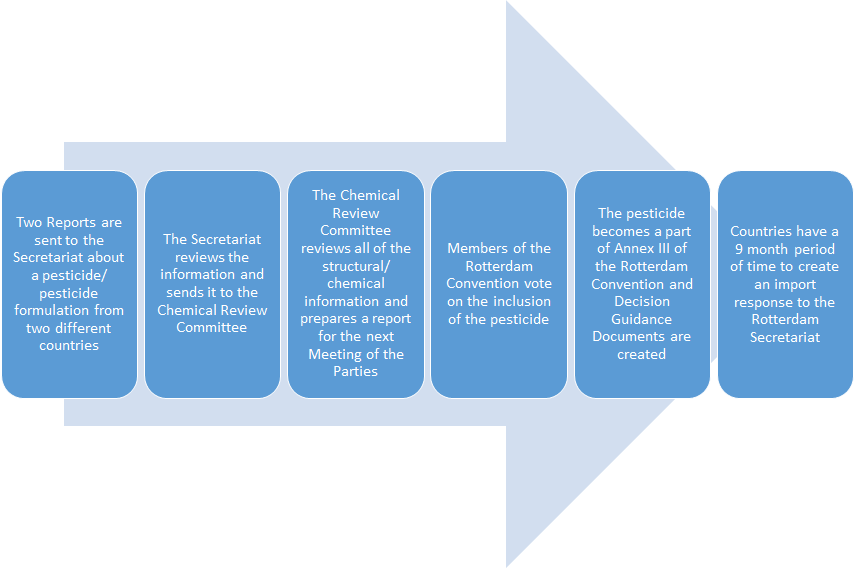 |
Sources
*Not available in English |
¶ Restrictions and Bans |
|
¶ Prohibited and Restricted Chemicals
The list is a database with free access at the Argentine website that is constantly updated whenever a public or private agency contributes with information of any substance that is not yet listed but has some type of restriction or prohibition. The list contains the chemical name, CAS number, status of the chemical, - such as restricted, prohibited and many cases where the confirmation is pending, if there is no information available yet. It also contains the link with the regulation for that specific chemical. These substances cover many sectors of the chemical industry, including but not limited to biocidal products. |
Sources *Not available in English |
¶ Ozone Depleting Substances
The President of Argentina, through Decree 1609/2004 on November 17, established measures to regulate the import and export of substances that deplete the ozone layer, creating a registration system for these substances within the scope of the Ministry of Environment and Sustainable Development. It defined that an Import or Export license is required for this operation and quotas were specified for granting these licenses. Later that year, Resolution 953 of December 9, 2004 was published including the instructions for importers registration of ozone depleting substances and documentation required, which can be found under Article 5 and forms are under the annexes of this Resolution. On April 2, 2020, Resolution 104/2020 was published by the Ministry of Environment and Sustainable Development incorporating the hydrofluorocarbons listed in Annex F - Group I and Group II of the Kigali Amendment of the Montreal Protocol to the Import and Export Licensing System as established by Decree 1609/2004. They can be found in Annex 1 of this Resolution. |
Sources
*Not available in English |
¶ Persistent Organic Pollutants (POPs)
Law 25670 of October 23, 2002 was published by the Senate and Chamber of Deputies of the Argentine Nation and establishes the minimum environmental protection specifications for the management of PCBs, such as prohibition of entry into the country, decontamination or elimination of devices containing PCBs, as well as the authority responsible for inspection, registration process in the National Integrated Registry of PCB Holders and sanctions. The Secretary of Government of the Environment and Sustainable Development, as the authority for the application of Stockholm Convention, published on October 9, 2015 Resolution 840 of October 1, 2015, creating the National Program for PCB sound management, with the purpose of developing actions to comply with the commitments assumed under the Stockholm Convention. On October 5, 2020, the responsibilities of this program shifted to the National Directorate of Chemical substances and Products, according to Resolution 355 of October 1, 2020. Later, on November 28, Resolution 451 of November 26, 2019 ratified already existing prohibitions and included new chemicals that cannot be manufactured, imported or used in the country, either as pure substances or present in mixtures or formulations, in accordance with the provisions of Annex I. Articles 4 and 5 establishes that the prohibitions don't apply to chemical products that are imported, produced or used for an acceptable purpose according to the list in Annex II, as well as a specific exemption of importation, production or use according to the list in Annex III. This Resolution entered into force in February 26, 2020. However, Resolution 291, on August 2020 modified Resolution 451, extending the entry into force of the prohibition of perfluorooctanoic acid (PFOA), its isomers, its salts and any substance that degrades into PFOA to December 3, 2020. |
Sources
*Not available in English |
¶ Restriction of Hazardous Substances (RoHS)
If the Draft Law is approved, EEE producers will be responsible during the post-consumption stage of the products, particularly regarding legal and financial responsibility, for waste management derived from their products. Producers must establish reception sites and/or household collection services, in order to provide small generators with the possibility of disposing of their WEEE in a subject to the requirements established by the regulations. Article 21 establishes that after the 3rd year of the entry into force of this Law, the National Application Authority will prepare and send to the Honorable Chamber of Deputies of the Nation a annually report with activity description from the previous year, specifying amounts of each category of EEE placed in the market as well as final quantities of WEEE managed through self-management programs, as well as amounts valued and destined for final disposal with and without treatment. On March, 2018, a project called “Strengthening of national initiatives and improvement of regional cooperation for the environmentally sound management of Persistent Organic Compounds (POPs) in Waste Electrical and Electronic Equipment (WEEE)” was implemented by the United Nations Industrial Development Organization (UNIDO) and executed by the Ministry of Environment and Sustainable Development (MAyDS) of the Nation, together with the Basel Regional Center for South America (CRBAS). The project is financed by the Global Environment Facility (GEF) and has a timeline of 5 years. The goal is to train people that create any type of waste as well as those who manage, social organizations that work on environmental and labor issues, among other stakeholders, about the challenges and opportunities that WEEE management presents. Currently, the manual "Comprehensive management of WEEE. The waste of electrical and electronic equipment, a source of decent work to advance towards the circular economy" is the main source being used in this project. |
Source *Not available in English |
¶ Battery and Lithium CellsUnder Law 26184, the manufacture, assembly and import of lithium cells and batteries, cylindrical or prism-shaped, composed of carbon zinc and alkaline manganese, with content of mercury, cadmium and lead higher than the limits established became prohibited. The limits established are: 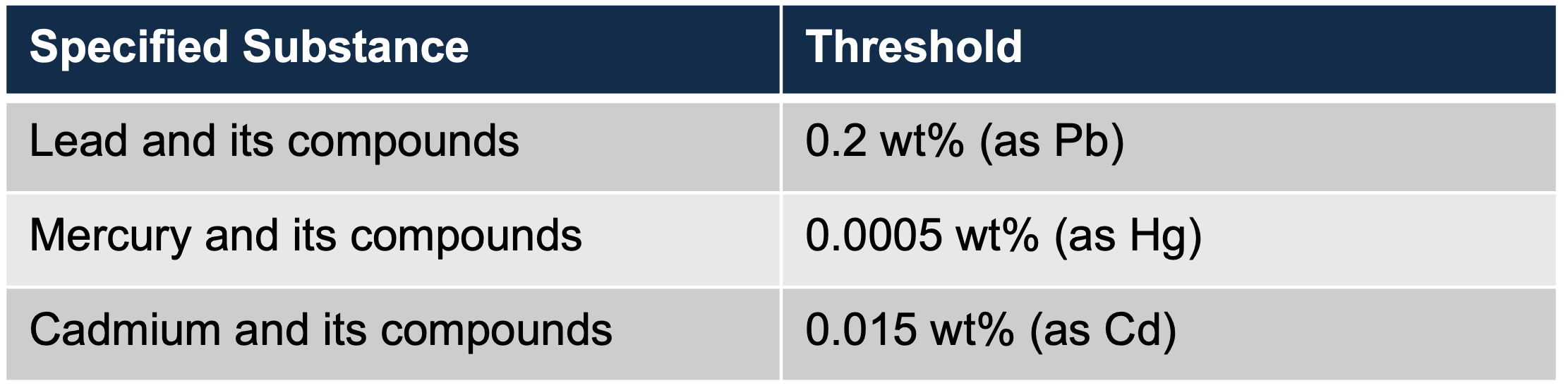 Later, the National Directorate of Chemical Substances and Products worked on the development of a unified regime that was embodied in the current Resolution 443 published on December 10, 2020. This Resolution included a ban in the importation of mercury oxide batteries and set a limit of mercury content in each button battery of less than or equal to 2%. It also established the creation of a Registry of Certifying Entities, where importers must request a certificate to these entities that are registered, before importing a product. The entities must then report to the Ministry of Environment within 48 hours, about the certificate, even in case of disapproval. This certification is mandatory in the case of articles that contain batteries inside or outside, such as toys or electronic devices. |
Source *Not available in English |
¶ SDS + Label |
|
¶ Classification
¶ Mandatory Regulations: Resolution 801/2015 and Resolution 155/2016Argentina implemented GHS with their adoption of Resolution 801/2015, which was updated by Resolution 155/2016, through modification of article 6. These resolutions mandate that substances and mixtures should be classified in accordance with the 5th Revision of the Purple Book. The Ministry of Labor, Employment and Social Security published Resolution 801 of April 10, 2015 approving GHS (known in Argentina as Sistema Globalmente Armonizado - SGA) implementation in the workplace. A Joint Provision 3/2017 and 6/2017 was published by the Technical Management and Prevention Management of the Superintendence of Occupational Risks (SRT) on June 9th, 2017, complementing Resolution 801/2015. The aim was to correctly implement the norms contained in the "Purple Book" on the Globally Harmonized System of Classification and Labeling of Chemicals, regarding labeling of phytosanitary products and fertilizers. Where test data is not available for a mixture, for health and environmental endpoints, the GHS allows for classification based on the hazards of the substances in the mixture. The GHS usually defines the concentration at which a hazardous substance causes a mixture containing that substance to be classified, for most hazards. These are known as Concentration limits / Cut-off values. Countries must additionally set the thresholds for mixture classification for certain hazards:
Argentina has not specified these limits, however, we have confirmed with the Argentine agency that regulates the Occupational Risk System that the most conservative limits should be used. Therefore, a concentration limit of 0.1% would be used for the following hazard categories:
And the concentration limit of 1% for Specific target organ toxicity – single exposure and repeated exposure Categories 1 and 2.
¶ Voluntary Standards: IRAM Technical StandardsThe National Argentina Institute of Normalization and Certification (IRAM) publishes the technical standards used by the chemical industry in Argentina, including the SDS, Labeling and Chemical Classification standards. Most of these standards are compulsory upon publication, however, because of the publication of the GHS Implementation Resolutions - Resolution 801/2015 and Resolution 155/2016 - the use of these standards for the authoring of SDSs and Labelling, and Classification is completely voluntary. |
Sources
*Not available in English Resource
**These resources are not available in English, must be purchased, and are voluntary. |
¶ Safety Data Sheet
¶ Mandatory Regulations: Resolution 801/2015 and Resolution 155/2016An SDS written in Spanish is required for all hazardous products placed on the Argentinian Market. Argentina passed Resolutions 801/2015 and 155/2016 which requires companies, manufactures and distributors to create Safety Data Sheets (SDS) for their hazardous substances and mixtures in the workplace. The SDS is known as Ficha de Datos de Seguridad (FDS). These Resolutions fully accept the Fifth Revision of the GHS Purple Book with no changes. The SDS format includes 16 sections and subsections. The SDS must be revised promptly when "new and significant" information is found about the substance or mixture in the product and should be reviewed periodically.
¶ Voluntary Standards: IRAM Technical StandardsThe National Argentina Institute of Normalization and Certification (IRAM) also has technical standards. These standards are completely voluntary, and Resolution 801/2015 and Resolution 155/2016 are the mandatory regulations that must be followed. Norm IRAM 41400 presents definitions and general aspects for SDS preparation and is divided in annexes, as follows:
|
Source
*Not available in English Resources
**These resources are not available in English, must be purchased, and are voluntary. |
¶ Label¶ Mandatory Regulations: Resolution 155/2016Argentina's adoption of Resolution 155/2016 accepted the United Nations Global Harmonized System of Classification of Labeling of Chemicals (GHS), 5th edition in its entirety. Section 1, Chapter 1.4: Hazard Communication Labeling describes the correct process to create labels for GHS. All labels must be in Spanish. Labels should be updated when "new and significant" information is discovered about the hazards in the substance or mixture in the product, and should be reviewed periodically. Labels should include:
¶ Voluntary: IRAM Technical StandardsThe Argentina Institute of Normalization and Certification (IRAM) prepared Standard 41401 for the creation of labels for hazardous substances and mixtures. This voluntary standard is based on GHS Revision 5 of the Purple Book. All labels must be in Spanish, but it is also acceptable to have additional languages on the label. A revision period of every 2 years is recommended, as well as alignment with the SDS revision, once they have similar information. The IRAM 41401 standard became effective since April 30, 2014 replacing IRAM Labeling Standard No. 3797 issued in 1986. Labels should include:
*The 24 hour emergency telephone number may be of a public or private entity (other than the supplier) that is designated by it in its place, ensuring it provides chemical or medical emergency services and that, if possible, has the updated SDS, among other important information on the chemical. |
Sources
*Not available in English Resources
*This resource is not available in English, is voluntary and must be purchased. |
¶ Trade SecretsCurrently, Argentina's government has not created standards for Trade Secret information. Until that information is available, the Trade Secret information is based off of the Fifth Revision of the Purple Book. The Fifth Revision of the Purple book gives general guidelines in section 1.4.8.2.
|
Sources
*Not available in English |
¶ Occupational Exposure LimitsThe Ministry of Labor, Employment and Social Security has adopted occupational exposure limits for protection of workers under Resolution 295 of November 9, 2003. These occupational exposure limits were enacted on November 9, 2003. These limits are known in Argentina as Maximum Allowable Concentration (in Spanish Concentración máxima permisible) and according to Resolution 295 of November 9, 2003 are based on available information obtained through experience in industry, human and animal experimentation, and where possible, by combining the three. Annex IV of this Resolution contains the occupational exposure limits, which are meant to protect the health and safety of Argentinean workers. The Occupational Exposure Limits are established for:
Article 61, Annex I, line 1 of Decree No. 351/79 mandates that the competent Ministry performs an annual review of this resolution, however, there has not been an update in the values established by Resolution 295 of 2003 yet. |
Sources *Not available in English |
¶ Transport |
|
|
The regulatory framework for Transportation in Argentina is based on Law 24.449, regulated by Decree 779 of November 20, 1995. Decree 779/95 was published by the Ministry of Transportation of the Nation and Annex S provides general regulation for the transport of dangerous goods by road. For maritime, river and air transport - the regulations of the International Maritime Organization (IMO), the International Civil Aviation Organization (ICAO) and the International Air Transport Association (IATA) are applied, respectively. The Secretary of Transportation Management published Resolution 64/2022 on August 22, 2022, implementing Mercosur Decision 15 of December 4, 2019 which approved the Agreement for the United Nations Recommendations on the Transport of Dangerous Goods based on the 17th Revision. Under Annex II, part 1 provides definitions and part 2 includes the classification. The list of hazardous goods can be found on part 3. This list is divided in 13 columns. Descriptions of each column
The Nuclear Regulatory Authority (ARN), aiming to establish radiological safety requirements for this activity, updated the regulation regarding radioactive materials transportation. Standard AR 10.16.1 “Transport of radioactive materials”, Revision 3, was published in the Official Gazette of February 1, 2016, through the Resolution of the Board of Directors of ARN No. 14/2016, and entered into full force as of August 1, 2016. It basically establishes how the radioactive content should be packed, how external radiation levels should be controlled and how to prevent heat damage. The standard contains the “Regulations for the Safe Transport of Radioactive Materials” (2012 edition) of the IAEA. |
Sources
*Not available in English |